Quick answer
How much it costs to open a gym in Australia depends on floor size and how much equipment you buy, so work from your own quotes, not a headline number. The costs land in order: lease and legal, approvals, flooring and fit-out progress payments, equipment deposits and balances, music licence and insurance, staff, then rent and wages while members build. Equipment suits equipment finance; the fit-out and first months need savings, a loan or property security.
Key points
- A gym is equipment-led: the order and delivery dates decide when you can actually open
- Founding-member presales can be locked in trust in some states, so don't count them as build money
- Equipment is the easiest piece to finance; flooring, air-conditioning and the first months are not
- Staff are usually covered by the Fitness Industry Award, and super is due with each pay run under Payday Super
- Plan for the thin months: members build over time, rent and wages don't wait
How much does it cost to open a gym in Australia? It depends on your floor size and how much equipment goes on it, so any single number you read online is a guess. What you can do is map the costs in the order they land: lease and legal, approvals, flooring and fit-out, equipment, licences and insurance, staff, then the thin months while members build. Equipment usually suits equipment finance. The rest needs a different plan.
Here’s the timeline, and where the money comes from at each stage.
Why is a gym different from other openings?
A café can open small and grow. A gym sells the feeling of a full, working floor on day one. Nobody joins a gym with half the racks missing.
That makes three things matter more than they do elsewhere:
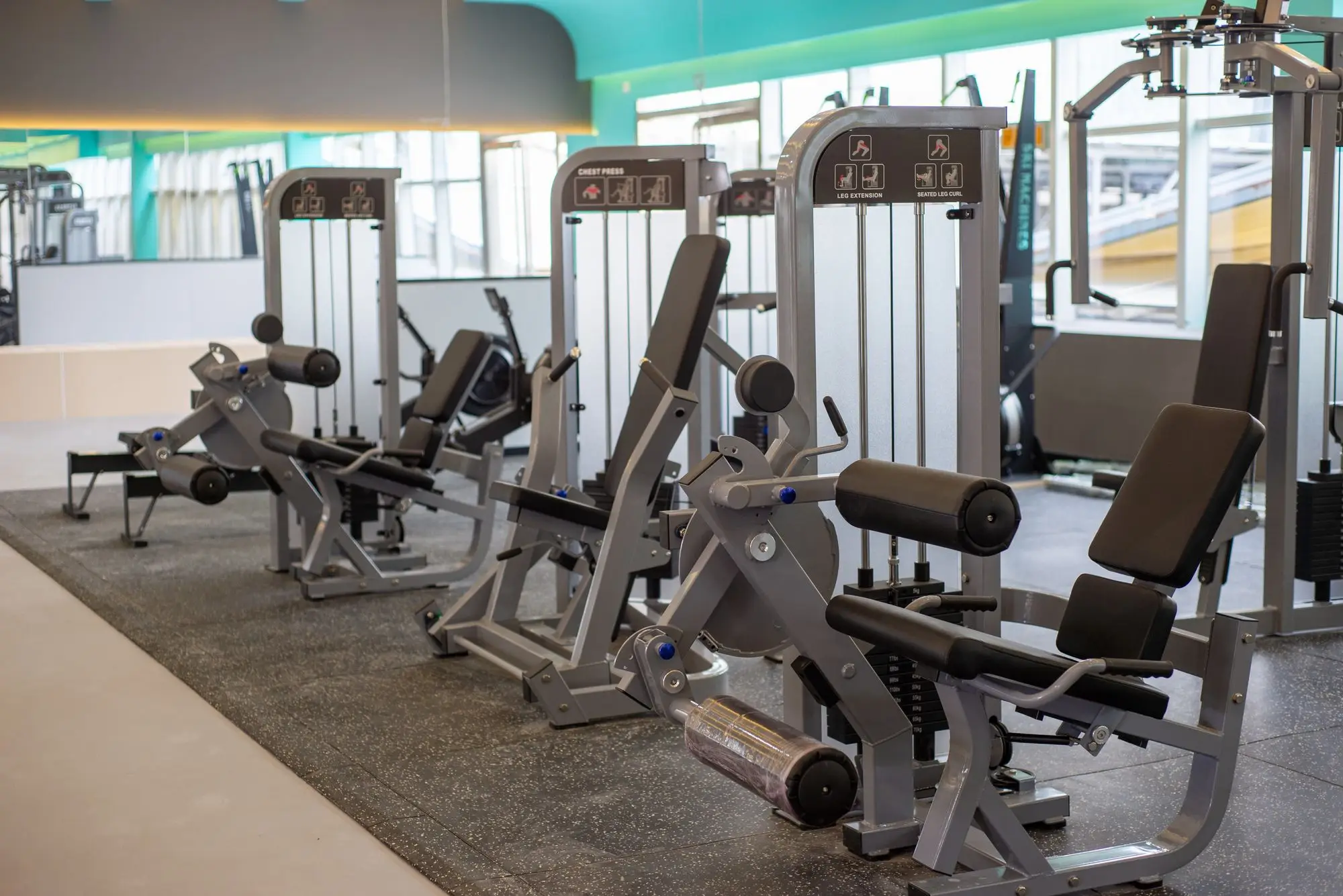
- Equipment is the build. Cardio, strength machines, racks, free weights and group-room gear are the bulk of the spend, and the delivery dates set your opening date.
- The floor does real work. Heavy equipment, dropped weights and constant foot traffic need the right flooring, and upstairs or shared-wall sites raise questions about load and noise.
- Income arrives slowly. Members sign up over weeks and months, but rent, wages and repayments start immediately.
The money timeline: what lands when
Use this as a frame, then replace each line with your own quotes.
| Stage | When | What goes out |
|---|---|---|
| Site checks | Before you sign | Council advice on gym use, a builder’s look at floor, services and noise, a lawyer’s review of the lease |
| Lease signing | Week 0 | Security deposit or guarantee, first rent, solicitor |
| Design and approvals | Weeks 1–8 | Designer, drawings, certifier and council fees, any change-of-use costs |
| Equipment order | Weeks 2–10 | Supplier deposit. Ask for lead times in writing; imported machines can take a while |
| Fit-out | Weeks 6–16 | Flooring, air-conditioning and ventilation, lighting, mirrors, change rooms and showers, reception, signage |
| Systems | Weeks 10–16 | Access control, membership and payment software, website, CCTV |
| People | Weeks 10–16 | Recruitment, inductions, first pay runs, first aid and CPR currency |
| Pre-opening | Last 2–4 weeks | Insurance, music licence, launch marketing, founding-member offers |
| First months | After opening | Rent, wages, super, software and repayments, with membership still ramping |
Notice what’s missing: income. Almost all of it goes out before the first member walks in. Our fit-out budget builder lets you put a contingency on each line, and the guide on budgeting a fit-out before you sign covers what to ask for before a quote is final.
Which costs hit hardest before you open?
Rank them in your own budget, but expect the same suspects.
Equipment. Get itemised quotes from at least two suppliers, with delivery, installation and any warranty terms. Ask whether commercial-grade is specified; home-grade machines don’t last in a busy gym.
Flooring and air-conditioning. These are built works, not equipment, so they behave differently when you finance. They also take trades and approvals, which makes them the usual cause of delay.
Wet areas. Showers and change rooms add plumbing, waterproofing and certifier sign-off. If you can open without showers, say so early, because it changes the budget and the timeline.
Insurance and licences. Public liability is the obvious one. Playing copyright music on the floor or in classes usually means a licence. Look up the fitness centre and instructor music licence on the ABLIS licence finder.
If the site was a different business before, change of use can add weeks. Our guide to a delayed change of use approval when rent has already started shows what to do if council is slower than the lease.
Can founding-member presales pay for the build?
Presales show people want what you’re building. The cash, though, may be off limits until you’re trading.
Queensland is the clearest case. The state government’s fitness guidance says money collected before a facility opens goes into a solicitor’s trust account, and prepaying is capped at 12 months. Western Australia regulates fitness businesses under its own Fitness Industry Code of Practice, which includes a seven-day cooling-off period.
Treat presales as evidence for a lender and a cushion once you open, and keep them out of the fit-out budget. The reformer pilates opening guide looks at the Queensland trust rules in more detail.
How do you finance the equipment?
This is the most financeable part of a gym. Machines and racks are identifiable and hold resale value, so equipment finance is built for it: the lender pays the supplier and the equipment secures the loan.
To make it quick:
- Itemised quote. Every machine listed with the supplier’s ABN, plus delivery and install.
- Delivery dates. Align them with the fitter’s program, so you don’t pay repayments on machines stuck in a warehouse.
- Term matched to life. Cardio wears faster than a rack, so don’t stretch one term across the lot without thinking.
- Tax timing. The ATO’s instant asset write-off applies to eligible assets under $20,000 each for eligible small businesses. Many commercial machines cost more than that, so ask your accountant how each line will be treated.
Our guide to getting a finance-ready equipment quote lists exactly what lenders want to see.
Quotes on the desk and a lease to sign? Take a minute to see what’s possible. Asking doesn’t touch your credit file.
What about the fit-out and the first months?
Flooring, ventilation and change rooms don’t hold their own value the way machines do. Funding them usually means combining:
- Your own cash, because lenders like to see you’ve put some in.
- A landlord contribution or rent-free period, negotiated before you sign. See landlord fit-out contributions.
- Property security, if you or a director owns property: loans from $20k to $5m, with $20k to $250k possible same day.
- Unsecured, cash flow or line-of-credit options if you already run a trading business, typically $5k to $500k, assessed on turnover and bank statements.
The first months are a different need again: working capital. Build a cash flow forecast with a slow membership ramp, not the happy one, and fund the gap. Our fit-out finance page walks through the options.
What will staff really cost?
Most gym employees are likely to be covered by the Fitness Industry Award, which sets minimum pay, casual loading and penalty rates. Early mornings, evenings and weekends are exactly when gyms are busiest, so price your roster against the award for the classification of each role.
Super now moves with every payday. Under Payday Super, which started on 1 July 2026, contributions are due with each pay run rather than saved up quarterly, so super belongs in the weekly cash plan from the first hire. Our first hire guide lists the remaining on-costs.
An illustrative example
Illustrative only: A personal trainer with a loyal client base decides to open a 300-square-metre gym in Adelaide. She negotiates a rent-free period from opening day, and her solicitor holds any presale money in trust where the law requires.
The strength and cardio equipment goes on equipment finance against two itemised supplier quotes, with deliveries timed to the fitter’s program. Flooring and air-conditioning come from savings and a loan against her investment unit. She forecasts a slow first quarter and puts a line of credit in place for rent, wages and super while membership builds.
The costs didn’t shrink. The sequence did the work.
A last check before you sign
- Council has confirmed a gym is allowed at the site
- A builder has looked at the floor, ventilation, noise and wet areas
- Rent-free period or landlord contribution is written down, with dates
- Equipment quotes are itemised, with delivery dates that match the build
- Any presale money is treated as held back until you open
- Insurance and music licence have a number against them
- Roster is priced against the award, super included each pay run
- A slow-ramp forecast covers several months of rent, wages and repayments
Once you’re open, the gym and fitness studio finance page covers growth, and opening a business zooms out.
Ready to open? Let’s line up the money
You already know how to train people. The next job is getting cash to arrive when the bills do: the equipment deposit, the fitter’s progress claims and the early pay runs, before the memberships catch up.
Sequencing the money is what we help owners with every week. Getting started takes about 60 seconds, and there’s no credit check when you first enquire, so your credit file stays untouched. We don’t send your details to a pile of lenders, so your phone stays quiet. A real person reads your situation and calls you.
Please fill the form in accurately: equipment quotes, fit-out estimate, target opening date and any property you own. A clear picture lets us line up the best-suited option from the start.
Frequently asked questions
How much does it cost to open a gym in Australia?
There isn't a reliable single number, because a PT studio in a small unit and a full-floor gym with cardio, strength and group rooms are different businesses. Build your own figure from itemised quotes: lease and bond, fit-out and flooring, equipment, licences and insurance, wages, and several months of running costs while members sign up. Our fit-out budget builder helps you add each line with a contingency.
Can I use founding-member presales to pay for the fit-out?
Don't plan on it. In Queensland, a provider taking prepaid fees before opening must put them in a solicitor's trust account until the facility is open. Western Australia has its own fitness industry code, including a seven-day cooling-off period. Check your state's fair trading office before designing presale packs.
Can I finance gym equipment before I have any members?
Often yes. Equipment from an established supplier is identifiable and holds resale value, so equipment finance is usually the most accessible piece for a new gym. Lenders still look at your experience, your own contribution and the plan. An itemised supplier quote with delivery dates makes it far quicker to assess.
Do I need a music licence for my gym?
If you play copyright music in the gym or in classes, you generally need a licence. The government's ABLIS licence finder lists the music licence for fitness centres. Cost depends on how you use music, so get it quoted before opening week.
Are gym staff covered by an award?
Many are. The Fitness Industry Award sets minimum pay, casual loading and penalty rates for fitness industry employees, and rates are reviewed each July. Check the Fair Work Ombudsman's summary and pay guide for the classification that matches each role before you price your roster.
What is the best way to fund the first few months of a gym?
Membership grows gradually, so rent, wages, super and repayments need a source for several months: savings, a working capital loan, a line of credit, or a property-secured loan if you own property. Size it to the gap in your forecast.
Can I get a loan to open a gym with no trading history?
It's harder, but it can be done. Lenders weigh your industry experience, how much of your own money is going in, any property security and evidence of demand. Equipment finance is often the easiest part; the fit-out and working capital usually need savings or security.
Sources
- Queensland Government — Join a gym or hire a fitness provider
- WA Consumer Protection — Fitness businesses
- ABLIS — Fitness centre and instructor music licence
- Fair Work Ombudsman — Fitness Industry Award summary
- Fair Work Ombudsman — Payday Super: new rules starting 1 July 2026
- ATO — Instant asset write-off for eligible businesses